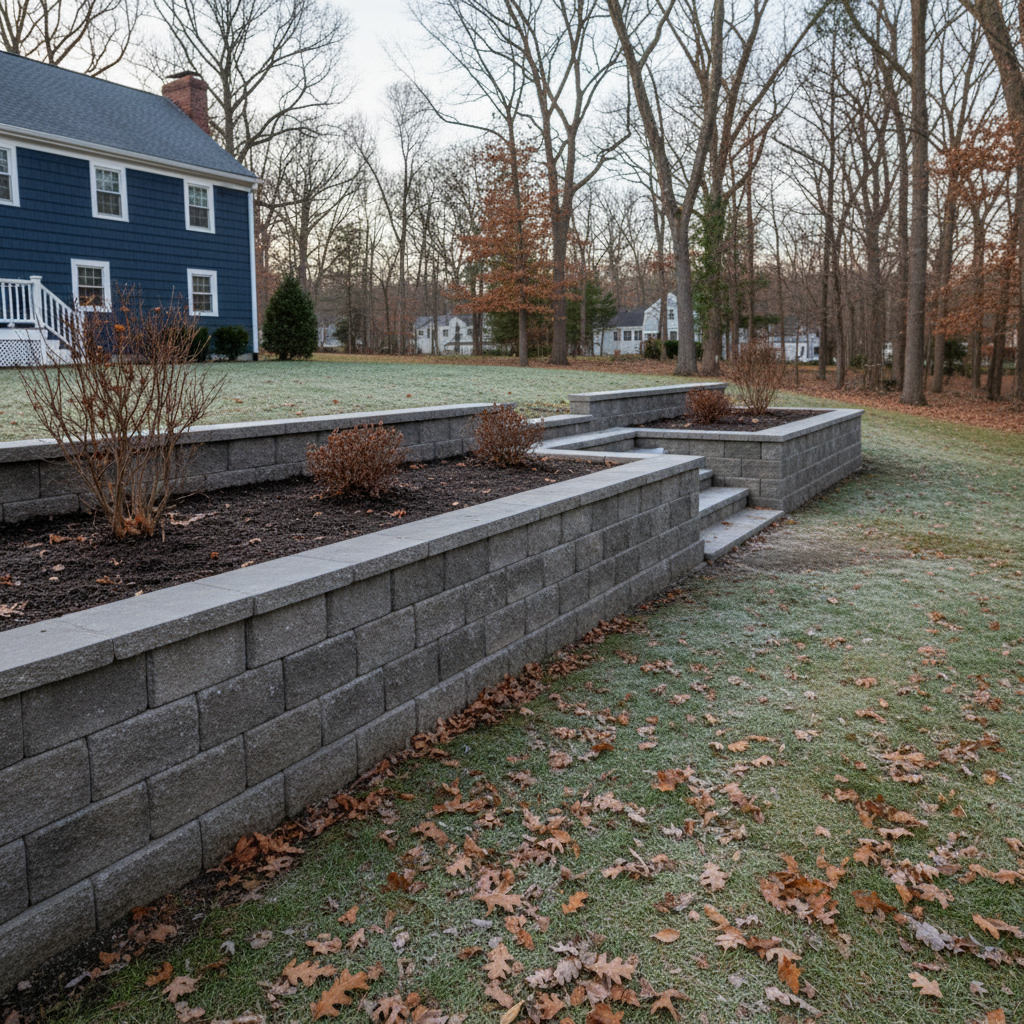
You're looking at that old retaining wall, or maybe you're planning a new garden wall, and you're wondering, "When's the best time to get this done?" It's a fair question, and for masonry work, especially here in Needham, the weather plays a huge role. You can't just slap mortar on blocks any old day and expect it to hold up for decades. There's a science to it, and a lot of it comes down to understanding our local climate.
The Best Time to Build: Spring & Fall are Your Friends
For most masonry projects, whether it's a new block wall, a foundation repair, or even some intricate stonework, I'll always recommend spring and fall. Why? It's all about temperature and moisture. Mortar needs to cure properly, and that means consistent, moderate temperatures.
- Spring (April to early June): This is prime time. The ground's thawed out, the days are getting longer, and we usually have a good stretch of temperatures between 40-70 degrees Fahrenheit. That's ideal for mortar to set without drying too fast or freezing. Plus, you get the work done before the heat of summer, so you can enjoy your new wall all season.
- Fall (September to November): Another excellent window. The summer humidity is gone, and the air is crisp. Again, we're looking for that sweet spot of 40-70 degrees. You want to wrap up any major block work before the consistent overnight freezes start, usually by late November here in Massachusetts.
We've done jobs in the summer, sure, but it gets tricky. If it's too hot, the mortar can dry out too quickly, which weakens the bond. We have to take extra precautions, like misting the blocks or covering the work, which adds time and complexity. Winter? Forget about it for new construction unless it's an emergency repair and we can set up heated enclosures. Mortar needs to stay above freezing for at least 72 hours to cure properly. That's just not practical for most outdoor block work around here.
Weather Conditions That Affect the Work
It's not just the season; it's the daily forecast too. As a Needham contractor, I'm always checking the weather before we start a big job.
- Temperature: As I said, 40-70°F is ideal. Below 40°, mortar won't cure well. Above 90°, it dries too fast.
- Rain: Light drizzle usually isn't a problem, but heavy rain can wash out fresh mortar, weaken the mix, and just make a mess. We'll always cover fresh work if rain is expected.
- Humidity: High humidity can slow down the drying process, which isn't always bad, but combined with heat, it can be a challenge. Low humidity, especially with wind, can dry things out too fast.
- Wind: A strong, dry wind can accelerate drying, similar to high heat. We might need to put up windbreaks or mist the work more frequently.
We've seen it all, from surprise spring snow showers to those humid summer days where the air just hangs heavy. Good masonry contractors like us at All Star Masonry know how to adapt, but planning for the best conditions always yields the best results.
Protecting Your Investment Year-Round
Once your block wall is built, you want it to last. Here in Needham, especially with our freeze-thaw cycles and the clay-heavy soils in some areas near Cutler Park, proper maintenance is key.
- Keep it Clean: Dirt, moss, and mildew can hold moisture against the block and mortar, leading to deterioration over time. A gentle power wash (low pressure!) or a scrub with a stiff brush and mild detergent once a year can make a big difference. Don't blast it so hard you damage the mortar joints.
- Check for Cracks: Walk around your wall a couple of times a year, especially after winter. Look for hairline cracks in the mortar joints or in the blocks themselves. Small cracks can become big problems if water gets in, freezes, and expands. Catching them early means a simple tuckpointing job instead of a major rebuild.
- Drainage is Crucial: This is huge, especially for retaining walls. Make sure water isn't pooling at the base of your wall. Good drainage behind and around the wall prevents hydrostatic pressure and keeps the foundation stable. If you see water issues, address them immediately. Sometimes it's as simple as extending a downspout or regrading a small area.
- Sealants (Sometimes): For some types of block or stone, a breathable sealant can offer an extra layer of protection against moisture penetration and efflorescence (those white powdery stains). It's not always necessary, and you need to use the right product, so it's best to talk to a pro about whether your specific wall would benefit.
Your block wall is a significant investment in your property. With a little planning for when it's built and some regular attention, it'll stand strong and look great for decades. If you've got questions about a new project or need an assessment of an existing wall, don't hesitate to give All Star Masonry a call. We're happy to take a look and give you an honest opinion.