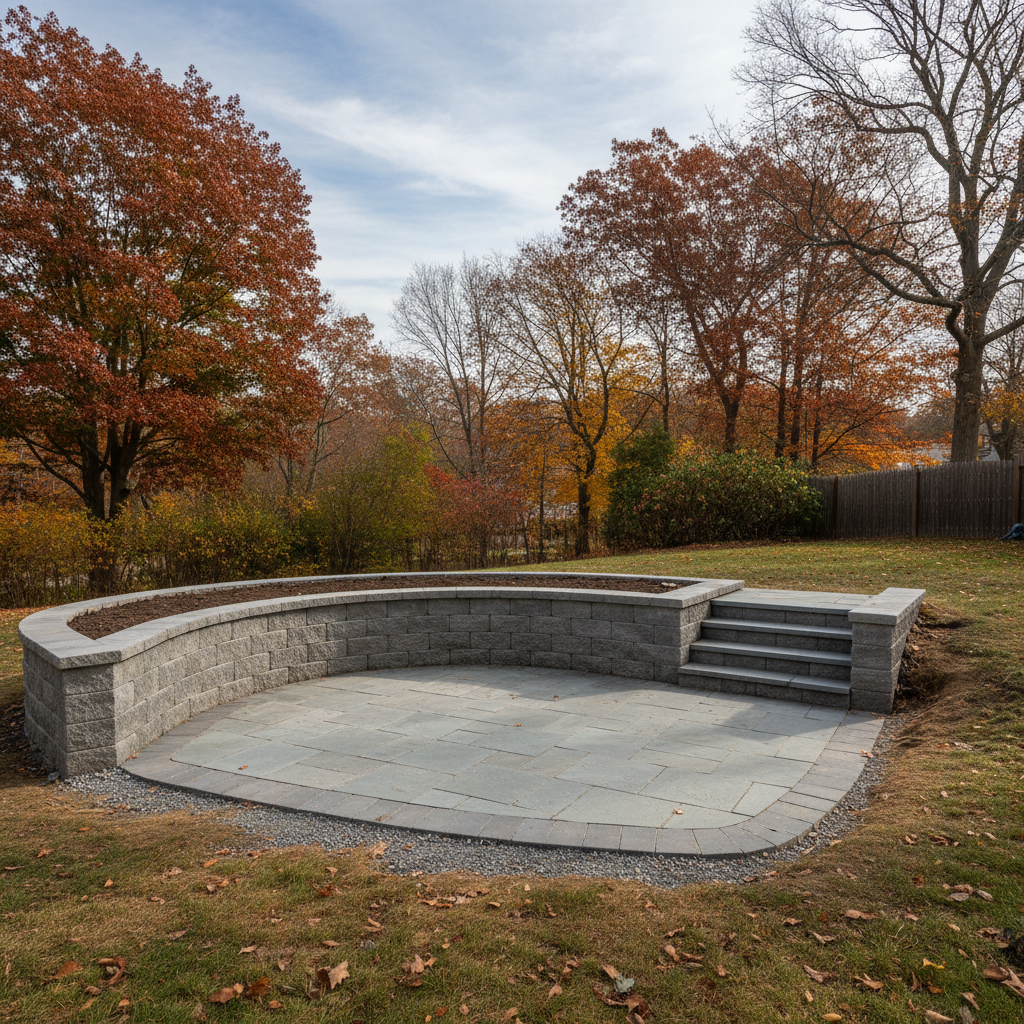
Timing Your Block Wall Project in Needham
So, you're thinking about a new block wall for your property here in Needham. Maybe it's a retaining wall to manage that tricky slope, a foundation for an addition, or a decorative garden wall. Great idea! Block walls are incredibly durable and versatile. But here's the thing: when you build it matters, especially with our New England weather.
I've been doing this a long time, and I can tell you that scheduling is key. You can't just throw up a block wall any old time and expect it to last. The ideal window for most masonry work, including block walls, is typically late spring through early fall. Think May to October. Why then? It's all about the temperature and moisture.
Mortar, the stuff that holds your blocks together, needs specific conditions to cure properly. It's a chemical reaction, and it doesn't like extremes. Too hot, and it dries out too fast, becoming weak and crumbly. Too cold, and it freezes before it can set, which is a recipe for disaster. We're talking about structural integrity here, so getting it right is non-negotiable.
Weather Conditions That Affect Block Wall Construction
Let's talk specifics about the weather. You might think a little rain is no big deal, but for masonry, it absolutely is. Pouring rain can wash away fresh mortar, weaken the mix, and make it impossible to get a good bond. We always keep an eye on the forecast, and if heavy rain is expected, we'll often reschedule or take steps to protect the work in progress. It's better to delay a day or two than to compromise the whole project.
Temperature, as I mentioned, is huge. Ideally, we want temperatures consistently above 40°F (about 4°C) and below 90°F (about 32°C) for the entire curing period, which can be several days after the wall is built. In Needham, we get those beautiful crisp fall days, but then the temperature can drop fast overnight. That's why late fall can be tricky. We might start a wall in October, but if a cold snap hits, we have to take precautions like covering the wall with insulated blankets or even using heaters to keep the mortar warm enough to cure. It adds to the complexity and sometimes the cost, which is why planning for those milder months is usually best.
Wind can also be a factor, especially for taller walls. Strong winds can dry out mortar too quickly, just like high heat. Plus, it's just plain difficult and unsafe to work with heavy blocks when the wind is whipping around.
Protecting Your Block Wall Investment Year-Round
Once your block wall is up and cured, the work isn't entirely over. You've made a significant investment, and you want it to last. Here's how you protect it, year after year, through Needham's seasons:
- Good Drainage is Paramount: This is probably the single most important thing, especially for retaining walls. Water is the enemy of masonry. If water builds up behind a retaining wall, the hydrostatic pressure can cause it to crack, bow, or even collapse. Make sure there's proper drainage – weep holes, gravel backfill, and a good drainage pipe – to direct water away from the wall. This is something we always design into our retaining walls at All Star Masonry.
- Keep an Eye on the Joints: The mortar joints are the most vulnerable part of a block wall. Over time, especially with our freeze-thaw cycles here in New England, they can start to erode or crack. If you see crumbling mortar, don't ignore it. It's much easier and cheaper to repoint a few sections than to rebuild a whole wall.
- Clean Regularly: Dirt, moss, and mildew can accumulate on your wall. While mostly aesthetic, heavy growth can hold moisture against the block, which isn't ideal. A simple scrub with a stiff brush and water (maybe a little mild detergent for stubborn spots) can keep it looking good and prevent long-term issues. Avoid high-pressure washers unless you know what you're doing, as they can damage mortar.
- Seal if Recommended: Depending on the type of block and its exposure, I sometimes recommend applying a breathable masonry sealer. This helps repel water and protects against efflorescence (those white powdery deposits) and freeze-thaw damage. It's not always necessary, but for certain applications, it can add years to the life of your wall.
- Watch for Cracks: Small hairline cracks can be normal as a wall settles, but larger or expanding cracks are a red flag. Vertical cracks, horizontal cracks, or stair-step cracks in the mortar joints can indicate a structural problem, often related to foundation issues or excessive pressure. If you see something concerning, get a professional to look at it.
Our local conditions, like the heavy clay soil we often find in parts of Needham, or the way our winters can swing from mild to brutal, really impact how masonry performs. Building it right the first time, with an understanding of those challenges, and then giving it a little TLC over the years, will ensure your block wall stands strong for decades. If you have any questions about an existing wall or a new project, don't hesitate to reach out to All Star Masonry. We're always happy to share our expertise.