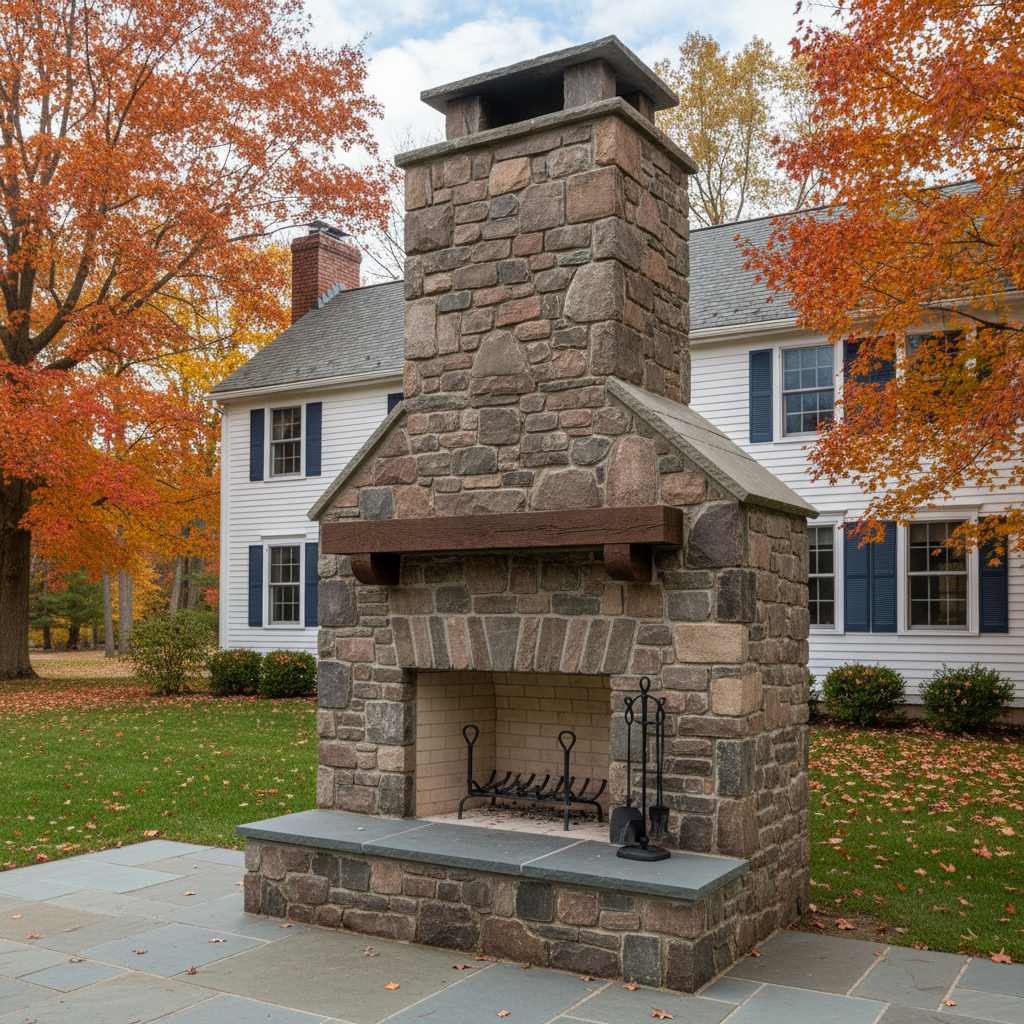
So, you're dreaming of a new fireplace, maybe an outdoor one for those crisp fall evenings or a cozy indoor hearth. Great idea! But before you jump in, let's talk about the best time to get that project going, what the weather around here means for masonry, and how to keep it looking good for years.
When's the Best Time to Build a Fireplace in Needham?
Honestly, the best time to start planning is usually in the fall or winter. That might sound backward, but hear me out. Good masonry contractors, like us at All Star Masonry, get booked up fast. If you wait until spring to call, you might find yourself on a long waiting list. Then your project doesn't get done until late summer or fall anyway.
For the actual construction, though, spring, summer, and early fall are ideal. Why? Because masonry work, especially new construction, needs specific conditions. We're talking about mortar setting properly, bricks curing, and not battling the elements more than we have to.
- Spring (April-June): This is often perfect. Temperatures are moderate, and while we get our share of April showers, it's usually not too extreme. The ground's thawed, and it's generally pleasant for outdoor work.
- Summer (July-August): Can be good, but heat and humidity can be a factor. Mortar can dry too quickly in direct sun, requiring extra steps to keep it hydrated. We're also watching out for those pop-up thunderstorms that can wash out a day's work.
- Early Fall (September-October): Another sweet spot. The air is drier, temperatures are usually comfortable, and the days are still long enough. You get your fireplace done just in time to enjoy it for the cooler months.
Winter? Forget about it for new construction unless it's an indoor fireplace and we're working in a heated space. Trying to lay brick and stone when it's freezing or below just isn't smart. The mortar won't cure right, and you'll end up with a weaker structure. We've seen plenty of projects from other folks that cut corners in cold weather, and they don't last.
How Needham's Weather Impacts Fireplace Construction
Needham's climate isn't exactly predictable, is it? We get all four seasons, and sometimes all four in one week! This really matters for masonry. Here's what we're up against:
- Temperature Swings: Mortar and concrete need stable temperatures to cure properly. Extreme heat can dry it out too fast, leading to cracks. Cold can prevent it from curing at all, making it weak and crumbly. We aim for temperatures between 40°F and 90°F.
- Rain and Snow: Moisture is a big one. Heavy rain can wash out freshly laid mortar. We use tarps and covers, of course, but it's always better to avoid working in a downpour if we can. Snow and ice are even worse, making the site unsafe and the materials unworkable.
- Humidity: High humidity can slow down drying times, which isn't always bad, but we need to manage it. Low humidity, especially with wind, can dry things too fast.
- Our Clay Soil: A lot of Needham, especially in the older sections near the Charles River, has pretty heavy clay soil. This can affect foundation work for larger outdoor fireplaces. Clay expands and contracts with moisture, so we have to make sure the foundation is dug deep enough and properly reinforced to handle that movement over time. You don't want your beautiful new fireplace settling unevenly.
Good contractors factor all this in. We check the forecast constantly, and sometimes, it means we have to pause work for a day or two. It's frustrating, I know, but it's always better to wait for the right conditions than to rush and compromise the quality of your fireplace.
Protecting Your Fireplace Investment Year-Round
Once your fireplace is built, you want it to last, right? Here's how to keep it in top shape:
- Regular Cleaning: For indoor fireplaces, get your chimney swept annually, especially if you use it a lot. Creosote buildup is a fire hazard. For outdoor fireplaces, clear out ash and debris regularly.
- Inspect for Cracks: Once a year, usually in the spring, give your fireplace a good look-over. Check the mortar joints and the firebox for any cracks. Small cracks can be repaired before they become big, expensive problems.
- Check the Crown and Flashing: If you have a chimney, the crown (the slab on top) and the flashing (where the chimney meets the roof) are crucial. These are your first line of defense against water. Cracks in the crown or damaged flashing can let water into your chimney structure, causing major damage over time.
- Sealants (for outdoor fireplaces): Consider a breathable masonry sealant for outdoor fireplaces. It helps repel water without trapping moisture inside, which can be great for extending the life of your brick and stone in our wet climate. Don't use just any sealant; ask a pro like us what's best.
- Use a Chimney Cap: If you don't have one, get one. A good chimney cap keeps rain, snow, leaves, and critters out of your chimney, preventing blockages and water damage.
Taking a little time each year to inspect and maintain your fireplace will save you a lot of headaches and money down the road. It's a significant investment, and with a bit of care, it'll bring you warmth and enjoyment for decades.