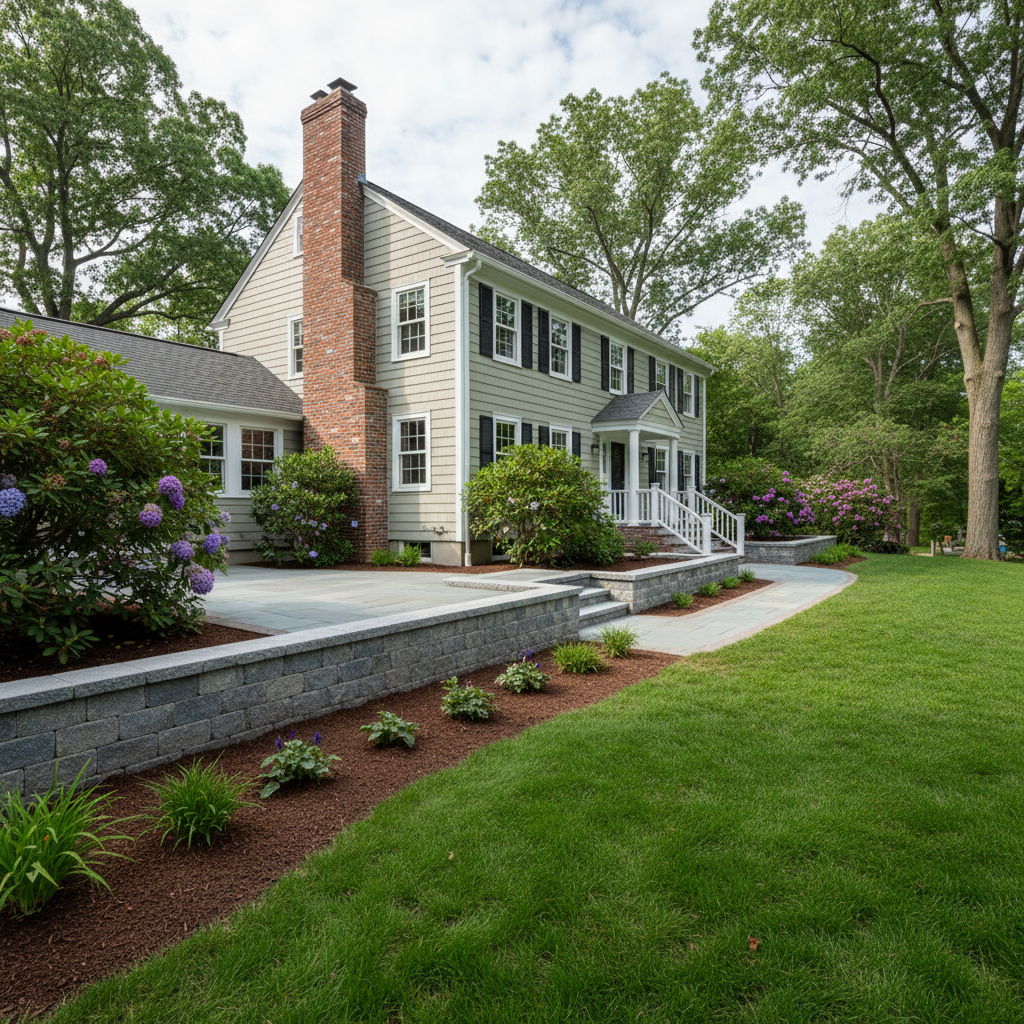
So, you've decided it's time to tackle that masonry restoration project. Good for you! Whether it's a crumbling chimney, a worn-out retaining wall, or historic brickwork on an older home in Needham, getting it done right means a little planning on your end. I've seen a lot of these projects over the years, and I can tell you, the more prepared you are, the smoother things will go. Let's break down what you should expect.
Understanding the Timeline
Don't expect a masonry restoration to be a weekend warrior job, especially for anything significant. These projects take time, and a good contractor will be upfront about that. First, there's the initial contact and consultation. You'll want to get a few quotes, which can take a week or two. Then, once you pick a contractor, they'll need to schedule you in. Depending on the time of year, this could be anywhere from a few weeks to a couple of months out. Spring and fall are always busy for us, and everyone wants their project done before winter hits.
The actual work itself? That varies wildly. A small repointing job on a chimney might be a day or two. A larger foundation repair or a complete brick facade restoration could easily be several weeks, sometimes even longer. Weather plays a huge role too. We can't do certain types of work in heavy rain or freezing temperatures, which means delays can happen. Always factor in some buffer time, especially if you're aiming for a specific completion date.
What to Expect During the Process
Once the crew shows up, things will get a little messy. That's just the nature of masonry work. We're dealing with dust, mortar, bricks, and stone. Your contractor should take steps to protect your property, like laying down tarps and using dust control measures, but expect some level of disruption. You'll hear grinders, hammers, mixers – it's not a quiet job.
Communication is key here. A good crew chief will keep you informed about daily progress and any unexpected issues. Sometimes we uncover hidden problems once we start peeling back layers, like water damage behind a wall or a deteriorated lintel. These things happen, and they often mean adjustments to the plan and budget. Don't be surprised if your contractor needs to discuss these with you. It's usually for the best in the long run.
Access is another big one. We'll need clear paths to the work area, and sometimes that means moving outdoor furniture, plants, or even temporarily relocating your car if we need to set up scaffolding. We'll also need access to water and electricity. Make sure you discuss these logistics upfront with your chosen contractor.
How to Prepare Your Home and Property
Before the crew arrives, there are a few things you can do to make everyone's lives easier:
- Clear the work area: Move anything valuable or fragile away from the immediate vicinity of the masonry work. This includes patio furniture, grills, potted plants, and garden ornaments.
- Protect your landscaping: If you have shrubs or flower beds close to the house, consider covering them with tarps or burlap to protect them from dust and debris.
- Secure pets and children: Construction sites aren't safe for curious kids or pets. Make sure they're kept well away from the work zone during active hours.
- Inform your neighbors: A courtesy heads-up to your neighbors about potential noise and dust can go a long way.
- Discuss access: Confirm where the crew will park, store materials, and access utilities.
- Interior protection: If the work impacts an interior wall (like a chimney repair), you might want to cover furniture and floors inside to protect against dust.
Seriously, a little prep work saves a lot of headaches later. It also shows your contractor you're serious about the project, and we appreciate that.
Questions to Ask Before Signing a Contract
This is where you protect yourself. Don't just go with the cheapest bid. Ask these questions:
- Are you licensed and insured? This is non-negotiable. Ask for proof. All Star Masonry is fully licensed and insured, and any reputable contractor should be too.
- Can you provide references? Talk to past clients. See their work if possible.
- What's the detailed scope of work? Make sure the contract clearly outlines exactly what will be done, materials used, and any exclusions.
- What's your payment schedule? A reputable contractor won't ask for 100% upfront. Expect a deposit, progress payments, and a final payment upon completion.
- What's the warranty on your work? Understand what's covered and for how long.
- How do you handle unexpected issues or change orders? Get this process in writing.
- What's your cleanup process? You don't want to be left with a mess.
- What's your estimated timeline, and what factors could cause delays? Get a realistic expectation.
- Do you pull necessary permits? For a lot of masonry work, especially structural repairs or chimney rebuilds, permits are required by the Town of Needham. Make sure your contractor handles this.
Choosing the right contractor is probably the most important step. Don't rush it. Take your time, do your homework, and you'll end up with a masonry restoration that stands strong for years to come, even through our tough New England winters and the clay soil conditions we often deal with here in Needham.