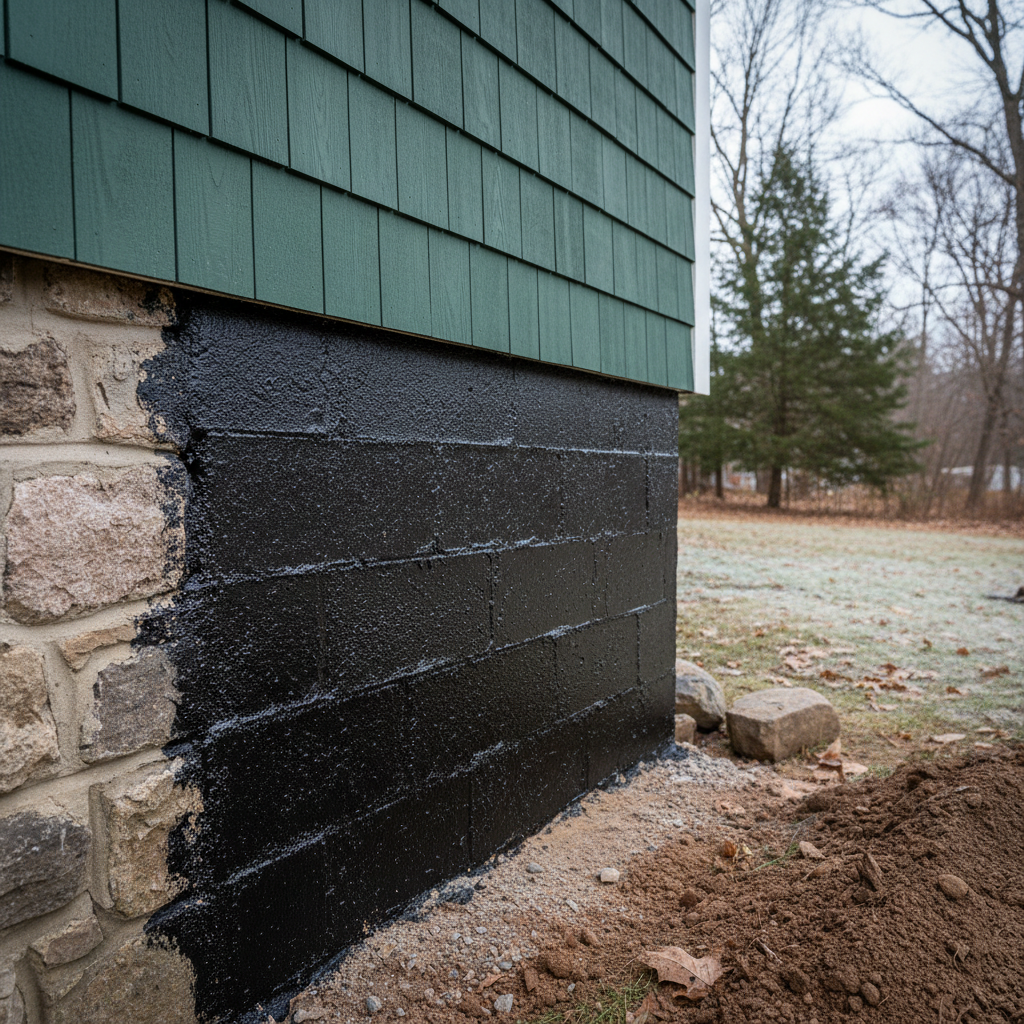
Ever notice how fast moisture ruins a good brick wall around here? If you live in Needham, you already know our local weather does not mess around. Between heavy spring rains and freezing winter nights, moisture gets trapped inside brick, stone, and mortar joints, expanding when the temperature drops. Before you know it, you are looking at crumbling mortar or spalling bricks.
Protecting your masonry before the next deep freeze hits makes all the difference. Here is how to break down the job into what you can tackle on a Saturday afternoon and what needs an experienced crew.
Before You Start: Assessing the Damage
You cannot just slap a coat of sealer over a crumbling wall and call it good. Take a close look at your exterior brickwork or stone foundation. Grab a trowel or a butter knife and test the mortar joints. If the mortar crunches away into dust or powder, you have got bigger issues than a simple waterproofing project can fix.
You also need to check for active leaks and structural cracks. Water stains on your basement walls mean moisture is already bypassing the exterior envelope. Sealer is strictly meant to keep bulk water out of sound masonry, not patch active cracks or fix bad drainage.
What You Can Realistically DIY
If your masonry is structurally sound and the mortar joints are mostly intact, applying a breathable siloxane or silane-based water repellent is a great DIY weekend project.
- Power wash the surface gently to remove dirt and pollution buildup, letting it dry for at least two full sunny days.
- Patch minor surface chips using a matching exterior patching compound or mortar mix.
- Apply a penetrating sealer using a low-pressure garden sprayer or a heavy-duty roller, working from the bottom up to catch runs.
Make sure you buy a breathable sealer. Cheap film-forming sealers trap moisture inside the brick, which accelerates freeze-thaw damage as soon as the New England weather dips below freezing.
When to Call All Star Masonry
Some jobs go beyond a DIY weekend project. If your home has extensive spalling, major shifting, or wide structural cracks, put down the roller and call us at All Star Masonry.
Tuckpointing requires real masonry experience to match existing mortar colors and styles without making the repair look like a patch job. If your chimney is leaking or your foundation needs serious repointing, trying to handle it yourself usually leads to more expensive structural repairs down the line. All Star Masonry handles the heavy prep work, proper masonry repairs, and commercial-grade applications that keep your home dry.
After the Project: Keeping Water Away
Once your masonry is sealed, your job is not entirely finished. Keep an eye on your gutters and downspouts. If roof runoff pours right next to your foundation walls, even the best waterproofing will struggle to keep up. Extend your downspouts a few feet away from the house and make sure the soil grades away from your foundation.
Check your sealed masonry every fall before the temperature plunges. A quick water bead test, splashing a cup of water against the brick to see if it beads up or soaks right in, will tell you whether the sealer is still doing its job or if it is time for another coat.