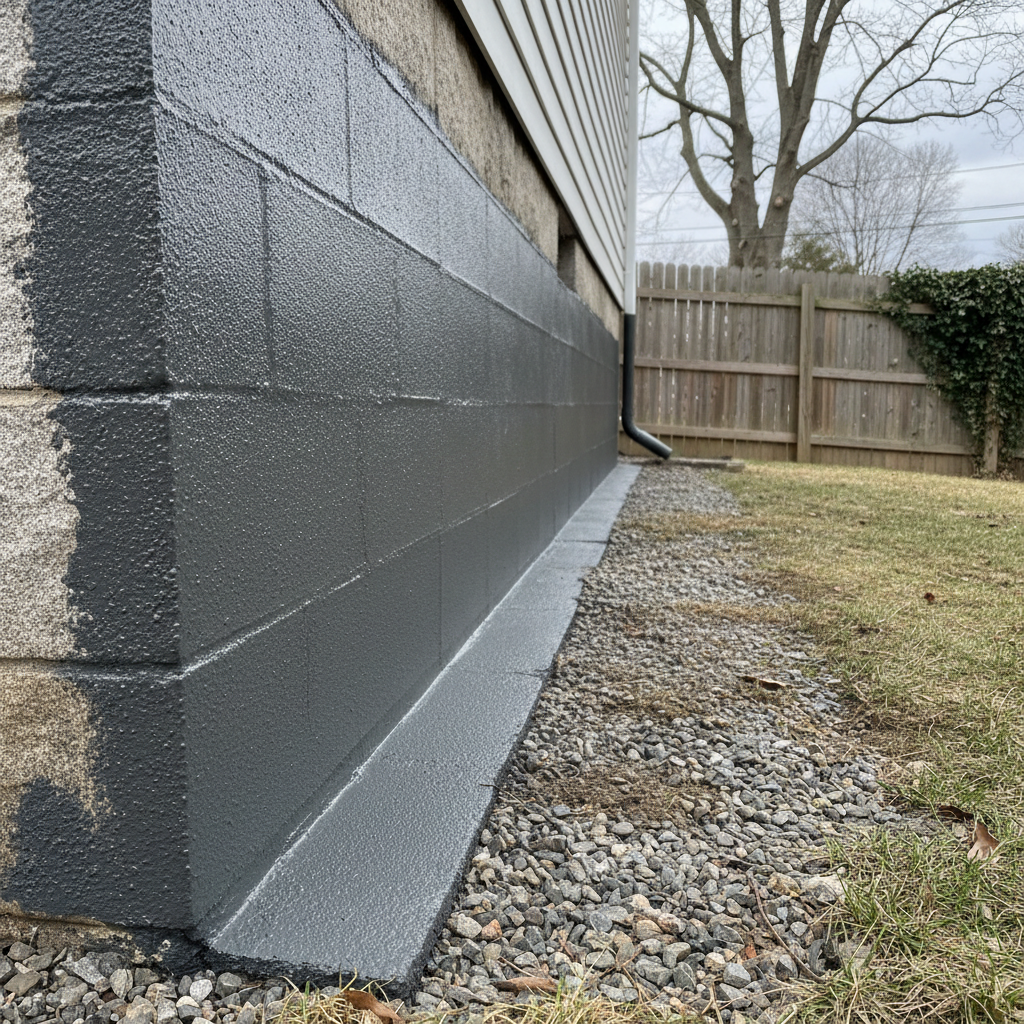
Water finds every single weakness in a foundation. In Needham, MA, heavy spring rains and freezing winter cycles put masonry under a massive amount of stress. When moisture gets trapped inside brick, block, or stone, the moisture expands and causes spalling, cracking, and damp basements. All Star Masonry provides this breakdown of how to tackle masonry waterproofing before trouble starts, what homeowners can handle yourself, and when it is time to bring in a professional crew for Masonry Contractor work in Needham, MA.
Before You Start: Assessing the Source
Never apply a coat of masonry sealer on a wall until you figure out where the water is actually coming from. Walk around your yard after a heavy rainstorm. Are your gutters overflowing right against the foundation? Is the soil sloping toward your house instead of away from it? Around neighborhoods like Bird's Hill, surface drainage issues account for half of all basement moisture complaints. Fixing your grading and extending your downspouts will cost you very little and solve problems that no chemical sealer can touch.
DIY vs. Professional Scope
Homeowners can realistically handle basic maintenance items on your own. Clearing out gutters, grading soil away from the exterior walls, and applying a breathable masonry sealer to above-grade brickwork are all great weekend projects. You can also patch minor hairline shrinkage cracks with hydraulic cement if they are not actively leaking under hydrostatic pressure.
Leave the heavy structural work to the pros at All Star Masonry. If you have water gushing through a foundation wall, bowing concrete blocks, or chronic dampness coming up through the floor-wall joint, surface sealers will not cut it. These situations require specialized subsurface drainage, exterior excavation, or heavy-duty injection systems that demand professional equipment and commercial-grade materials.
During the Project: Execution Matters
If you are applying a breathable siloxane or silane sealer to your exterior brickwork yourself, pick a dry stretch of weather with temperatures consistently above 50 degrees. Saturate the surface evenly using a low-pressure sprayer, working from the bottom up to avoid streaking. Do not use glossy epoxy or acrylic paints on historic or breathable masonry; they trap vapor inside the wall, which accelerates freeze-thaw damage during our brutal New England winters.
After the Project: Maintenance and Monitoring
Once your waterproofing measures are in place, keep an eye on them. Walk your foundation twice a year, once in the spring after the ground thaws and once in the late fall before the first hard freeze. Clean your gutters regularly and make sure shrubbery is not holding damp shade directly against your brick walls. Taking care of these small details keeps your masonry solid and your basement bone dry for years to come. For Needham homes, All Star Masonry is here for all your Masonry Contractor needs.