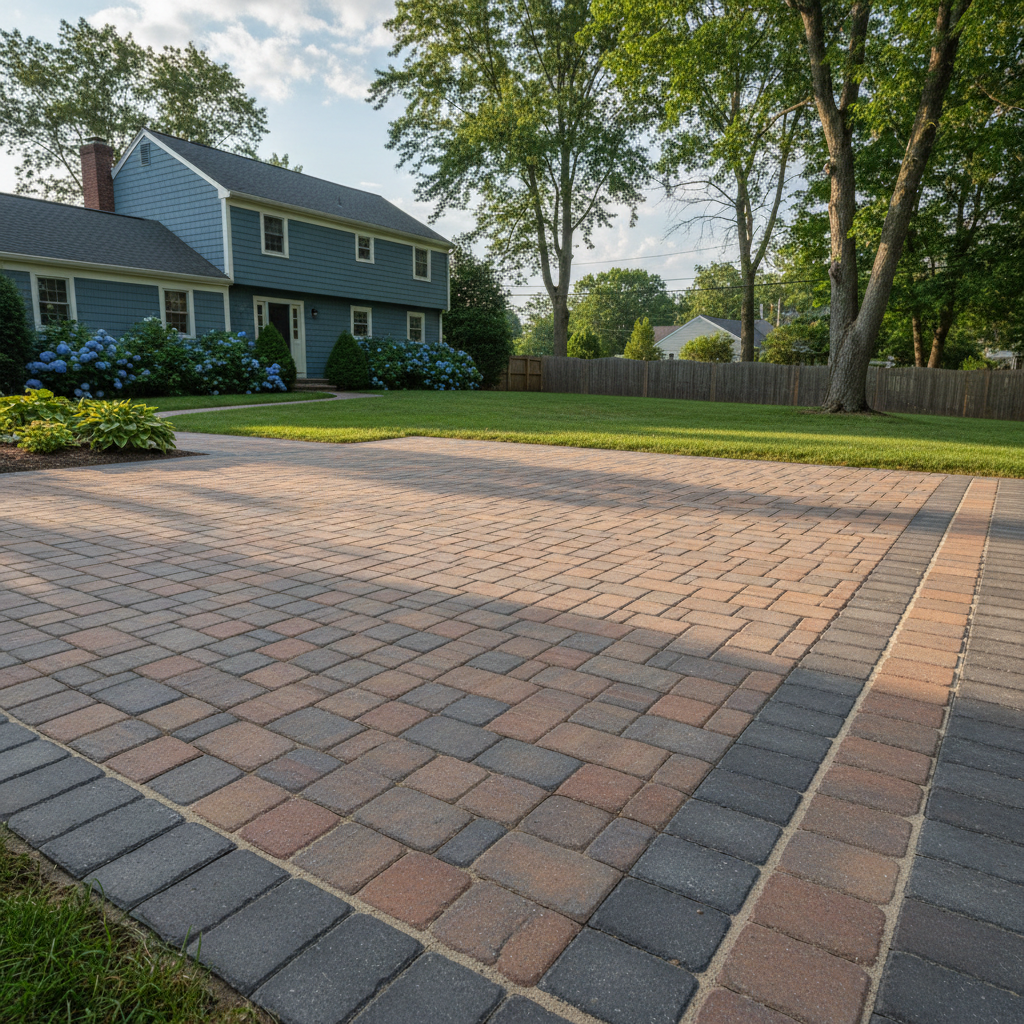
You've got beautiful pavers, right? Maybe a patio, a walkway, or a driveway. You put good money into that, and you want it to last. Down here in Needham, especially with our crazy winters and humid summers, pavers take a beating. But with a little regular care, you can really extend their life and keep them looking sharp. It's not rocket science, just smart maintenance.
Regular Maintenance: Your Pavers' Best Friend
Think of it like washing your car. You wouldn't let it go years without a scrub, would you? Same goes for your pavers. The biggest thing you can do is keep them clean. I'm talking about sweeping off leaves, dirt, and debris regularly. If you let organic matter sit, it breaks down, holds moisture, and can lead to moss or mildew. A good stiff broom once a week or so, especially in the fall, makes a huge difference.
Then there's the washing. A simple garden hose with a spray nozzle is usually enough for general cleaning. For tougher spots, a mild detergent and a brush work wonders. Just make sure to rinse thoroughly. You can use a pressure washer, but be careful. Too much pressure can blast out the joint sand, damage the paver surface, or even loosen pavers. If you do use one, keep it on a low setting and hold the nozzle at an angle, not straight down into the joints.
Joint sand is crucial. That sand between the pavers isn't just for looks; it locks them together and prevents shifting. Over time, rain, wind, and even ants can wash it away. You'll want to replenish it as needed. After cleaning, let the pavers dry completely, then sweep in new polymeric sand. This stuff has binders that harden when wet, creating a more stable joint. Just follow the directions on the bag carefully – getting it wet too soon or not sweeping off the excess can leave a hazy residue.
Protecting Your Investment: Sealing and More
Sealing your pavers is a smart move, especially around here. Our freeze-thaw cycles are brutal. Water gets into the pores of the pavers, freezes, expands, and can cause spalling or cracking. A good quality sealer creates a barrier, protecting the pavers from moisture, UV rays, and even oil stains. It can also enhance the color and make them easier to clean.
I usually recommend sealing every 3-5 years, depending on the sealer type and how much traffic your pavers see. Before sealing, you absolutely have to clean the pavers thoroughly and make sure they're bone dry. Any moisture or dirt trapped under the sealer will be there for a long time. There are different types of sealers – some are topical and form a film, others penetrate. Talk to a pro or your supplier about what's best for your specific pavers and conditions.
Another thing: deal with weeds and moss promptly. They don't just look bad; their roots can get into the joints and eventually destabilize your pavers. Pull them by hand or use a targeted weed killer. Just be careful with harsh chemicals that might stain or damage your pavers.
Warning Signs: When to Pay Closer Attention
Your pavers will usually tell you when something's not right. Don't ignore these signals:
- Sinking or Uneven Areas: If you see a dip or a paver that's noticeably lower than its neighbors, that's a red flag. It means the base underneath might be failing, or water is eroding the sub-base.
- Widespread Weeds or Moss: A few weeds are normal, but if your entire patio is covered in moss or you're constantly battling weeds, this could mean the joint sand is compromised or drainage is poor.
- Cracked or Chipped Pavers: Individual cracks can happen from impact, but if you see multiple pavers cracking or spalling (flaking off), it might be a sign of water damage, improper installation, or a manufacturing defect.
- Loose or Shifting Pavers: If you can wiggle a paver with your foot, or if they're moving around, the joint sand is gone, or the edge restraint isn't doing its job. This needs to be addressed quickly before the problem spreads.
When to Call a Professional
Look, some things are DIY, and some aren't. If you're seeing minor issues like a few weeds or some faded color, you can probably handle it yourself. But if you've got widespread sinking, major shifting, or drainage problems that are causing puddles on your patio after every rainstorm, it's time to call in someone like All Star Masonry. We deal with this stuff all the time.
Trying to fix a major base issue yourself without the right equipment or experience can make things worse and cost you more down the road. We can assess the underlying problem, whether it's poor compaction, an issue with the sub-base, or drainage around your house. For example, some older homes in Needham, especially those built on the hills, can have tricky drainage patterns that really impact hardscaping. We'll lift the affected area, re-level the base, replace any damaged pavers, and make sure everything is properly compacted and re-sanded.
Don't wait until your beautiful paver project turns into a tripping hazard or an eyesore. A little proactive maintenance and knowing when to call a pro will keep your pavers looking great and functioning perfectly for decades. It's an investment worth protecting.