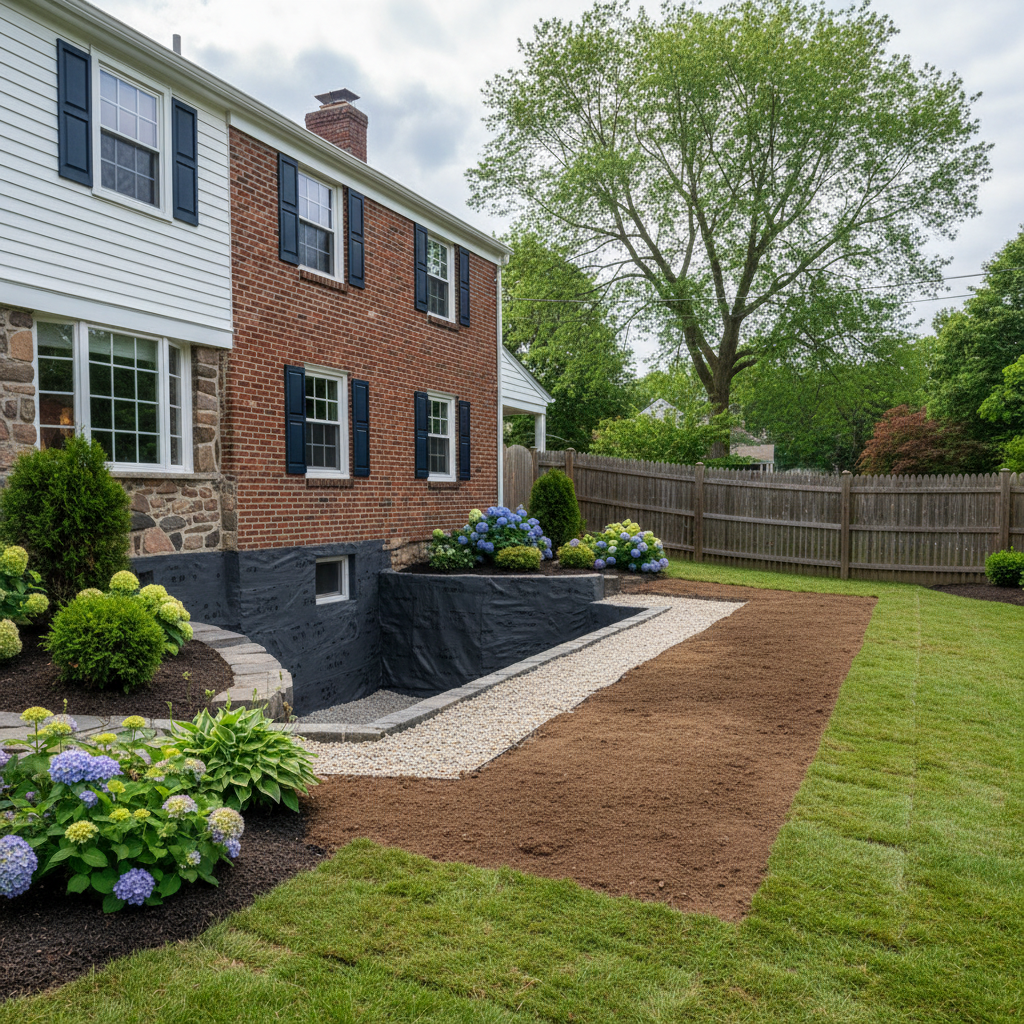
Thinking About Waterproofing Your Needham Basement?
Let's talk about waterproofing your masonry. It's probably not the most exciting home improvement project you can think of, but when water starts seeping into your basement, it suddenly becomes the most important one. Here in Needham, especially with our older homes and those built into the hills around Needham Heights, I've seen plenty of foundations that really needed some serious attention. You definitely don't want to wait until you're bailing out your storage room to get serious about this problem.
Getting this kind of work done right takes some real planning. It's not just about slapping on some sealant and calling it finished. You need to know the timeline, what's actually going to happen, and how to make sure you're getting a good deal from a trustworthy contractor.
What's the Timeline Look Like?
A masonry waterproofing project isn't something that happens overnight, especially if we have to dig outside. Here's a general breakdown:
First Call & Assessment (1-2 weeks): You give us a call, we come out, and we check out your specific problems — cracks, that white powdery stuff (efflorescence), standing water, whatever it is. We'll pinpoint the real cause, which is super important. Sometimes it's just a grading issue, other times it's much deeper.
Proposal & Contract (1-2 weeks): We'll put together a detailed proposal for you. It'll lay out exactly what work we'll do, what materials we'll use, and the cost. You'll review it, ask any questions you have, maybe even get another quote or two. Don't rush this part, seriously.
Permits (2-4 weeks, or more): Depending on how big the job is, especially if we're doing a lot of digging or structural work, you might need a building permit from the town. We'll handle the paperwork, but the town's schedule is what really dictates how long we wait.
Starting the Work (1-4 weeks): Once we have those permits, we schedule the job. Smaller interior jobs might only take a few days. But exterior foundation waterproofing, which involves digging around your house, backfilling, and maybe even new drainage, could easily take a couple of weeks. Sometimes it takes even longer if we run into unexpected things like buried utilities or ledge.
Curing & Cleanup: Some materials just need time to set up. We'll clean up the site, and you'll want to keep an eye on things, especially after a big rain, just to make sure everything's working like it should.
Don't forget to factor in weather delays, too. We can't really dig in a blizzard, and heavy rain can slow us down quite a bit. Be patient; good work is always worth a little extra wait.
What to Expect During the Process
Okay, so you've signed on the dotted line. What happens next?
Disruption: If it's an outside job, you should expect some noise and a bit of a mess. We'll be digging, so there will be dirt piles. Your landscaping near the foundation will definitely get affected. We'll try our best to keep it to a minimum, but it's just part of the deal.
Access: We'll need a clear path to the work area. Move any outdoor furniture, planters, or anything else that's in the way. For work inside, clear out the basement walls and floor where we'll be working.
Communication: A good contractor, like us at All Star Masonry, will keep you in the loop. We'll tell you what's happening each day, if we find anything unexpected, or if there are any delays. Please, don't be afraid to ask questions.
Safety: We'll set up safety barriers, especially around any holes we dig. Keep your kids and pets away from the work zone. It is a construction site, after all.
Inspections: If permits were necessary, town inspectors will probably come out at different stages to make sure the work meets code. This is actually a good thing; it adds an extra layer of quality control.
It's a process, and it can be a little inconvenient, but the end result — a dry, healthy basement — is absolutely worth it.
How to Prepare Your Home
Before our crew even shows up, you can do a few things to make the process go a lot smoother:
Clear the Area: For exterior work, move anything away from your foundation – plants, decorative items, patio furniture. If we're working inside, empty out shelves and storage near the affected walls. The less we have to move, the quicker we can get started.
Protect Valuables: If you have anything in your basement that's sensitive to dust or moisture, cover it up or move it to another part of the house. Even with precautions, construction can get dusty.
Inform Your Neighbors: Give your neighbors a heads-up, especially if the work is going to be noisy or involves heavy equipment. A little courtesy goes a long way, right?
Identify Utilities: While we'll call Dig Safe, it's always helpful if you know where your private lines are — things like irrigation systems, invisible dog fences, or outdoor lighting wires. Mark them if you can.
Plan for Access: Make sure there's a clear path for our crew and equipment to get to the work area. If we need to access your yard through a gate, make sure it's unlocked or that we have a key.
Questions to Ask Before You Sign That Contract
This is where you really protect yourself. Don't be shy. You're investing good money, so you deserve clear answers.
What's your exact process? Make them walk you through it step-by-step, from figuring out the problem to cleaning up. What materials will they use?
What kind of warranty do you offer? A good waterproofing job should come with a solid warranty on both the labor and the materials. How long does it last? What exactly does it cover?
Are you licensed and insured? This is non-negotiable. Ask for proof of both general liability and workers' compensation insurance. You don't want to be liable if someone gets hurt on your property.
Do you handle permits? Most reputable contractors will handle all the necessary permits. Confirm this and ask to see copies.
What's the payment schedule? A small deposit is normal, but be wary of contractors asking for a huge chunk of money upfront. Payments should be tied to project milestones.
How will you protect my property? Ask about the steps they'll take to protect your landscaping, driveway, and interior while they're working.
What's the cleanup process? Who's responsible for hauling away debris and getting the site back to normal?
Can you provide references? Talk to other homeowners they've done similar work for. Ask about their experience with communication, how timely they were, and the quality of their work.
Taking the time to plan and ask these questions will save you a lot of headaches down the road. A dry basement isn't just about protecting your stuff; it's about protecting your home's value and, frankly, your own peace of mind. Get it done right.